Getting along matters : Why we shouldn't let age create a divide in the workplace
With four vastly different generations in the work force, disagreements and tension are bound to happen; however older generations still involved in the workplace report heavily enjoying the company of their younger colleagues and vice versa. So where does ageism come from?
Ageism is prejudice thinking and stereotyping due to age. Ageism can affect any age group. Seeing a group of teenagers and assuming they will be disruptive is ageist just as assuming the person holding up traffic is an older lady is ageist.
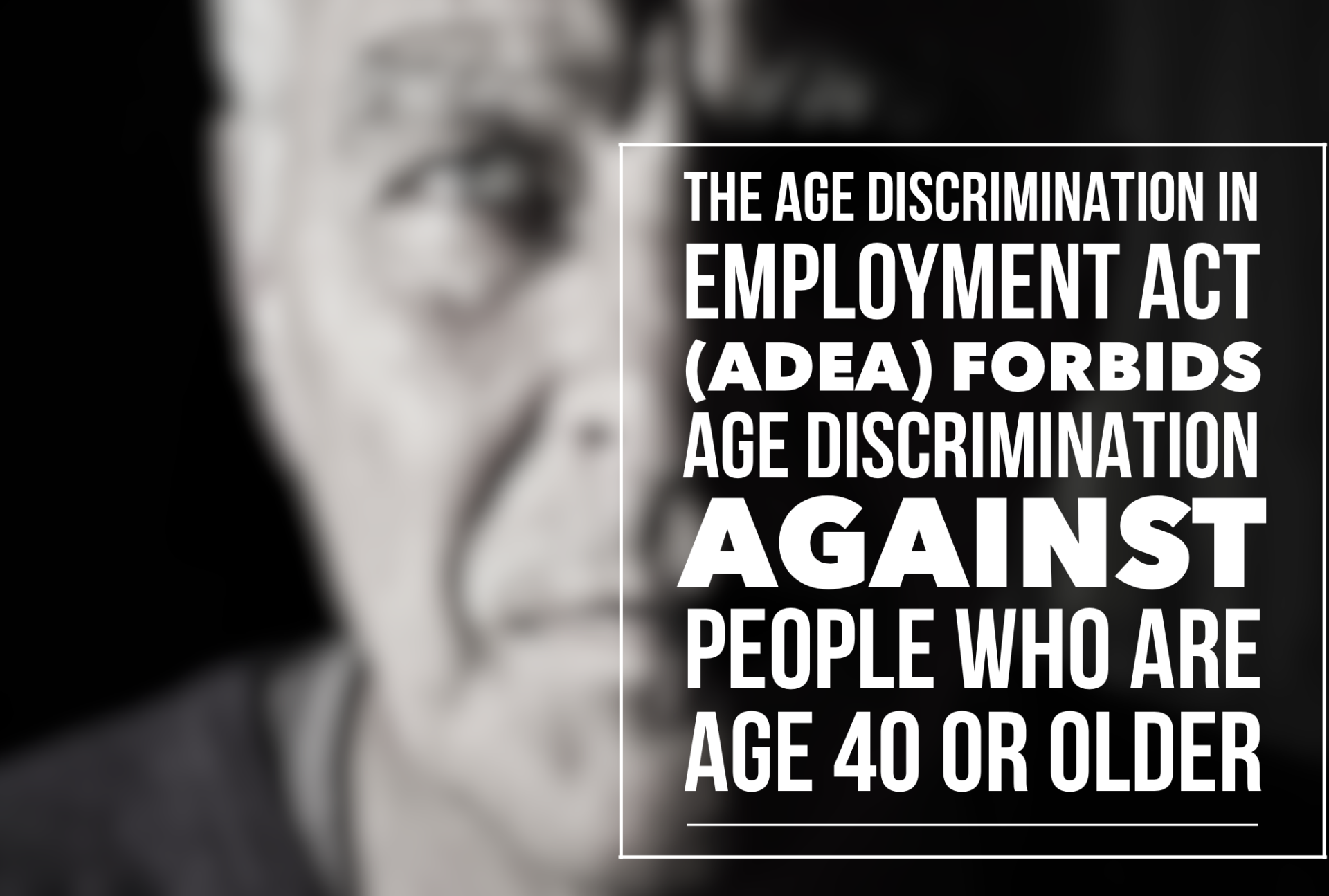
Often times ageism in the work force refers to older people above the age of 40 being mistreated due to not being able to keep up with technological advancements or their age slowing them down. Recently, the roles have reversed, and it is the younger generations experiencing ageism.
As previously stated, ageism is often seen in the workplace with older people. Most people feel older people will not be able to perform on the same level as younger people or will simply be in the way due to possible mind and physical limitations. With constant changes in technology older people are often perceived as outdated
This argument holds a lot of validity; age weakens the body and mind. This is an undeniable fact that all will inevitably experience. Some studies have found that low impact work can be good for and help improve aging. Nonetheless, age diversity in a workplace is needed so that wisdom and new ideas can merge, an older person may slow down the process but they will also have so much to add to it.
Younger people generally have their knowledge of technology on their side. Younger generations have grown alongside technology and some with a device right in their hands, so, the advantage is there. However, this does not mean older generations are incompatible with technology.
A Stanford study reveals older generations are open minded about technology, especially if it serves a purpose. Often times the younger generation sees being able to mindlessly use technology as a pro, but recent studies are showing burnt attention spans. The Stanford study reveals that older people often stop and think about what technology is showing them. Older people needing time and to be taught technology does not make them incompetent.
A young woman, whom well call miss J for privacy reasons, has recently spoken to our blog and admitted she was being a bit ageist to her older coworker. She spoke about their issues with one another and how she believed it was due to their generational differences. She admitted after some thinking and other work experience she was blaming all their differences on age however her coworker just turned out to be a difficult person in general.
While the story of the young woman is funny it reveals something much deeper. Many people will stereotype and generalize groups of people due to one bad experience with one person. This can cause mass harm to the communities that people belong to. All generations should be doing their best to accomplish a strong sense of community in their workplace because a lack of one only trigger divisiveness and harm.
Typically, those fresh out of college begin at an entry level position slowly making their way up the corporate ladder. As their career and age progresses, they gain experience and knowledge but also may become a little complacent in what they know. This is when one retires, and the cycle repeats.
This cycle has been recently disrupted; it seems older people have decided to stay in their positions. The effects of this have trickled down to the entry level positions. Making the job market incredibly more competitive.
Many young people have blamed older generations for disrupting this cycle which causes agism in young people. However, those young people should be looking at why older people are choosing to stay in their positions. Is the decision to stay by choice or force of survival? An entirely new question at hand that should be considered not the instant decision to spread an ageist rhetoric.
Ageism in the workplace comes from the spread of misinformation and common misconceptions. A company has no place in an employees health that is rightfully between them and their doctor, an employee assuming an employee should be fired or they should not hire someone due to age is agist and spread through misinformation. Many things are learned through experience and older people learning technology should not be frowned upon. Age diversity in workplaces decreases ageism and helps promote results.


Comments
Post a Comment